
Depth-Oriented Virtual Therapy in California:
For When You Can't Think Your Way Out of Your Patterns
Untangle the past.
Unstick old patterns.
Unearth lasting inner security.

Why Are Some Patterns So Hard to Change?
Persistent emotional reactivity, harsh self-criticism, and pulling away in relationships rarely change through intellectualization or willpower alone because they are wired into our nervous systems.
You may recognize yourself in these patterns:
Relentless pressure to perform: A constant drive to optimize, overthink, and get everything right so nothing goes wrong.
Relationship push-and-pull: A quiet fear of messing up close relationships, alternating between walking on eggshells and pulling away when closeness feels like a lot.
Intense emotions: Reactions that feel surprisingly big or hard to settle, even when your rational mind knows it’s not a big deal.
A loud inner critic: A persistent hum of self-doubt or feeling "not enough" that insight and logic have not been able to quiet.
Numbing out to cope: Turning to overworking, scrolling, food, sex, or substances just to turn down the internal noise.
You’ve likely already tried to analyze, white-knuckle, or discipline your way out of these patterns.
If this is you, it makes complete sense. Insight helps, yet knowing why you react does not automatically teach your nervous system how to do things differently.
A Different Approach to
Healing Stuck Patterns
Therapy here isn't about managing behaviors on the surface.
It’s about creating internal safety. When your system feels safe, old patterns drop away and new ways of being naturally take their place.
Using an approach called Internal Family Systems (IFS) alongside modern neuroscience, our work moves at a steady, collaborative pace:
First, we help your nervous system to settle.
With curiosity and self-compassion, we get to know your internal system and why it wired itself the way it did to protect you.
Finally, we heal early wounding at the root so your system can settle into genuine inner safety and old patterns naturally begin to unwind.
Meet Ellie Vargas, LCSW
California IFS Therapist & Consultant
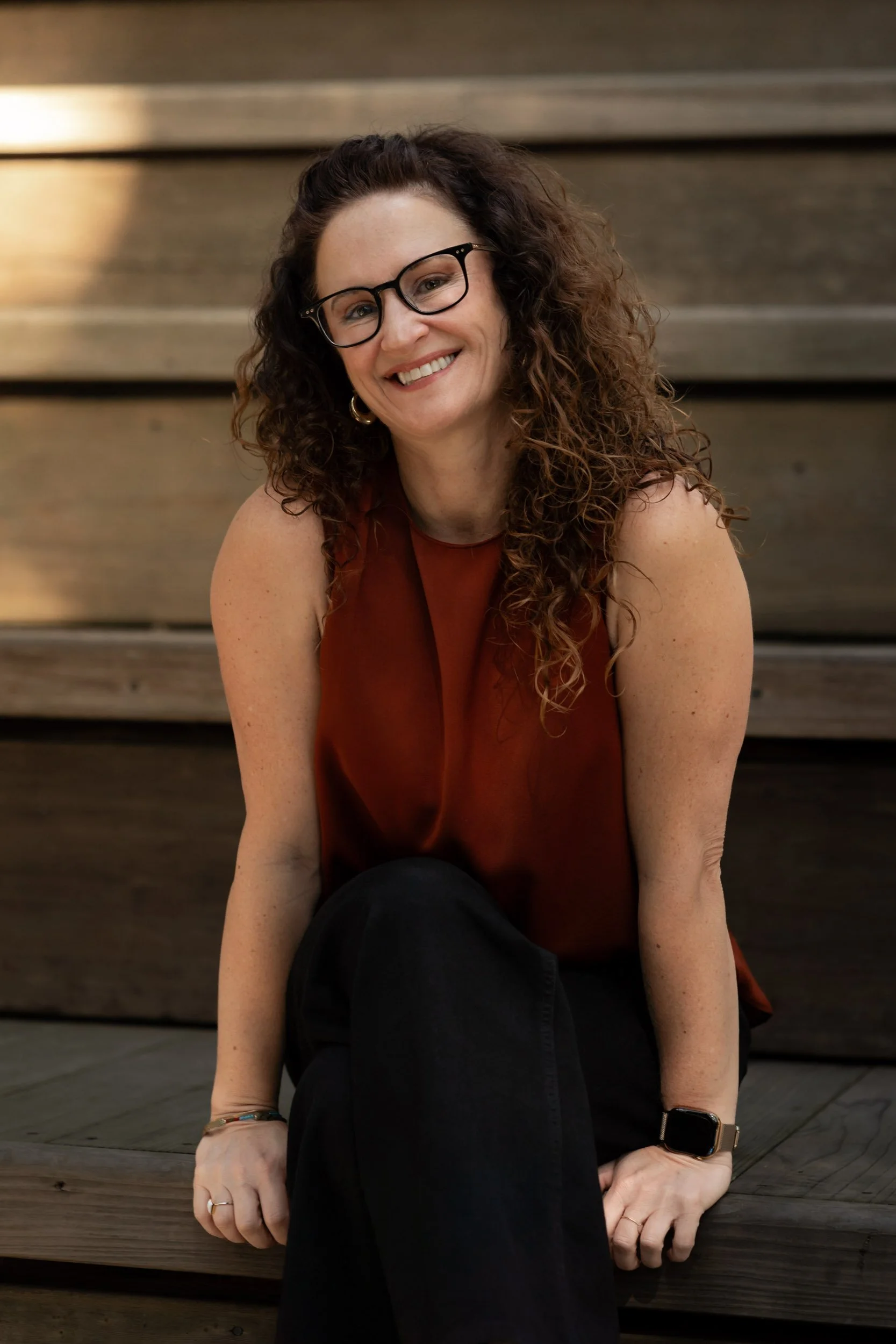
Ellie Vargas, LCSW (California License #26233), is a Level 3 Certified Internal Family Systems (IFS) Therapist and IFSI Approved Consultant with over 20 years of clinical experience in trauma and interpersonal neurobiology. Based in the San Francisco Bay Area, Ellie provides secure virtual therapy to adults across California and clinical consultation to practitioners worldwide.
Together, we’ll gently explore your internal world and make sense of how your system adapted to protect you. We’ll heal any wounds at their root, giving your whole system room to relax into true security.
“We are born in relationship, we are wounded in relationship, and we can be healed in relationship.”
-Harville Hendrix
Two Ways to Work Together
Virtual Individual Therapy for Adults in California
Depth-oriented psychotherapy conducted via HIPAA-compliant video for adults residing anywhere in California. Ideal if you are ready to move beyond surface-level coping tools to address loud inner critics, relationship reactivity, and old emotional wounds at their root.
Individual
Therapy
Professional IFS Clinical
Consultation
For therapists and practitioners across the country and world.
Consultation for licensed therapists and practitioners nationwide and internationally. Designed for clinicians looking to deepen their mastery of the IFS model, unblend from activated therapist parts, navigate complex trauma pacing, and earn hours toward IFS Institute certification.
Frequently Asked Questions
-
All individual therapy sessions take place on a secure, HIPAA-compliant video platform for adults located anywhere in California. Virtual sessions allow you to engage in deep, consistent weekly work from the privacy of your home or office—whether you live in the San Francisco Bay Area, Los Angeles, San Diego, or anywhere else in the state.
-
Individual therapy is a private-pay investment of $285 per 50-minute weekly session, and Ellie is an out-of-network provider. While she does not bill insurance directly, you can receive a monthly superbill - or courtesy electronic claim submission - to request out-of-network reimbursement through your PPO plan (typically under CPT code 90834).
Pro-Tip: Call your provider and ask about "out-of-network benefits" for CPT code 90834 (50 min sessions) . Most PPO plans reimburse a significant percentage once your deductible is met. -
Traditional talk therapy often relies on cognitive analysis or behavior change strategies to manage symptoms from the outside in. Internal Family Systems (IFS) integrated with neurobiologically informed stabilization works from the inside out, helping your nervous system build felt safety and working directly with the protective parts driving the very patterns you are looking to shift.
-
Individual therapy is personal psychotherapy for California adults seeking lasting healing from old emotional wounds and patterns.
Clinical consultation is professional mentoring for licensed therapists and practitioners anywhere in the country or world who want to refine their IFS clinical skills, explore therapist parts, and fulfill IFSI certification requirements. -
You can schedule a complimentary 20-minute initial consultation through the contact page. We will talk briefly about what brings you to therapy, answer your questions about IFS work, and make sure we feel a strong relational fit before booking your first full session.

Ready to Start the Conversation?
All of you is welcome here.
I offer a safe, affirming space for individuals of every ethnicity, race, spirituality,
sexual orientation, gender identity, ability, class, and relationship structure.